Personal Savings Allowance UK 2026: Avoid Tax on Savings
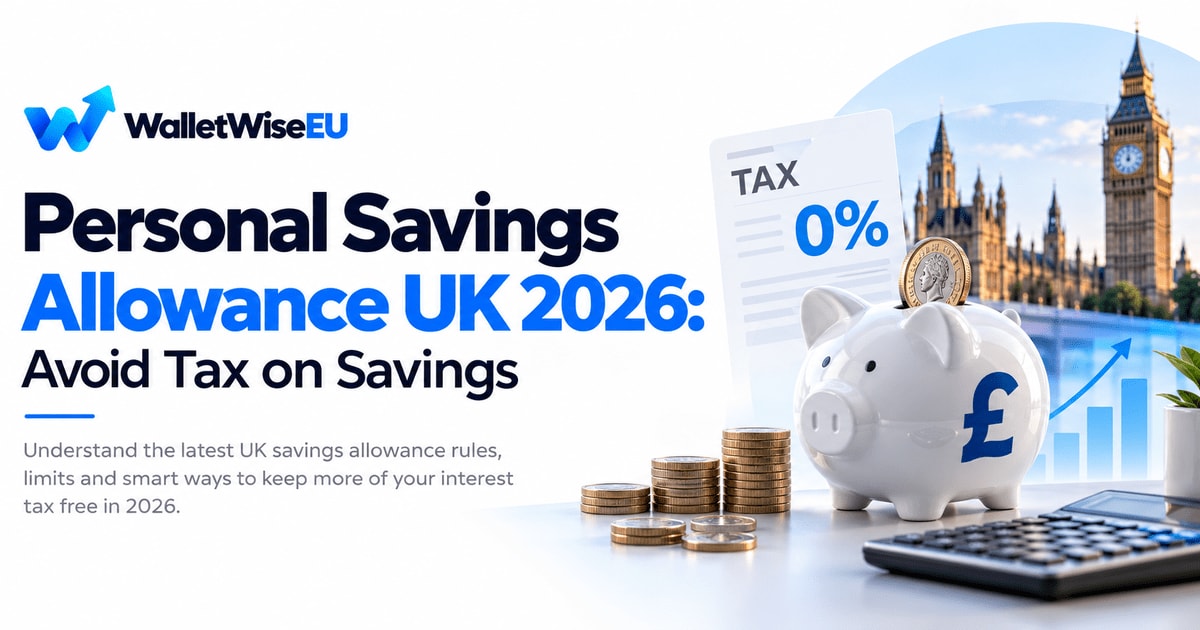
The personal savings allowance lets you earn £1,000 of savings interest tax-free in 2026/27. Learn exactly who qualifies, when you owe tax and how to avoid it.

By Hammad Younas
Published · Last updated · 7 min read
UK savings rates are sitting above 5% on fixed deals right now. That means a basic-rate taxpayer with £20,000 in a savings account could earn £1,000 in interest over a year, which is the exact point where tax starts. The personal savings allowance UK gives every taxpayer a tax-free interest threshold, but with rates at their current levels, millions of savers are crossing that line for the first time. This guide breaks down how the allowance works in 2026/27, when you actually owe tax, and the practical steps to keep more of your interest out of HMRC's hands.
What Is the Personal Savings Allowance UK? (Plain English)
The personal savings allowance UK is a tax rule, not a bank account or a savings product. It sets how much interest you can receive across all your savings before income tax applies. HMRC introduced it in April 2016 and it applies automatically to every UK taxpayer, with no need to apply or register.
There are three tiers for 2026/27, and which one applies to you depends on your income tax band:
Tax Band | Annual Income | Personal Savings Allowance |
|---|---|---|
Basic rate (20%) | Up to £50,270 | £1,000 |
Higher rate (40%) | £50,271 to £125,140 | £500 |
Additional rate (45%) | Above £125,140 | £0 |
One thing to be clear on from the start: interest from a cash ISA does not count toward your personal savings allowance at all. ISA interest is tax-free separately from the PSA. So if you earn £500 in ISA interest and £900 from a regular savings account, and you are a basic-rate taxpayer, you owe nothing. You have used only £900 of your £1,000 allowance.
The personal savings allowance 2026 figures are unchanged from 2025/26. HMRC has not adjusted the thresholds, even though savings rates have risen sharply over the past two years.
Tax on Savings Interest UK: When Do You Actually Owe Tax?
Tax on savings interest in the UK only applies once your interest goes above your PSA limit. But at current rates, that threshold is closer than many people expect.
Here is what the numbers look like at three rates you can actually get right now:
Savings Balance | Rate | Annual Interest | PSA Used (Basic Rate) | Tax Owed? |
|---|---|---|---|---|
£15,000 | 4.5% | £675 | 67.5% | No |
£22,222 | 4.5% | £1,000 | 100% | At the limit |
£25,000 | 4.5% | £1,125 | Over by £125 | Yes, on £125 |
£20,000 | 5.17% | £1,034 | Over by £34 | Yes, on £34 |
NS&I confirmed a rate of 5.17% on its one-year fixed cash ISA from 6 October 2026. At that rate, a savings balance of around £19,342 hits the basic-rate PSA limit exactly. Higher-rate taxpayers reach their £500 limit at half those balances.
When you go over, HMRC usually collects the tax without any action needed from you. For most employed people, your bank reports your interest to HMRC and your tax code is adjusted so the extra tax comes out of your pay over the following year. You will not get an unexpected bill, but your take-home pay will be slightly lower for a period. If you are self-employed or have other complex income, you may need to declare it through self-assessment instead.
How Much Savings Interest Is Tax Free UK? The Full Allowance Stack
Here is the part most guides do not cover. How much savings interest is tax free in the UK can be far higher than £1,000 for people with lower total incomes. There is an additional allowance called the starting rate for savings, and it can add up to £5,000 of completely tax-free interest on top of the PSA.
The starting rate for savings works like this: if your non-savings income (salary, pension, or rental income) is below £17,570, you can access some or all of the £5,000 starting rate band. For every pound of non-savings income above your personal allowance of £12,570, one pound of the starting rate band is reduced.
Two examples to show what this looks like in practice:
Employed person earning £30,000: Their non-savings income is well above £17,570, so they receive no starting rate benefit. Their only tax-free savings interest limit is the £1,000 PSA.
Retired person with £14,000 pension income: Their pension income sits above the £12,570 personal allowance by £1,430. That £1,430 reduces the £5,000 starting rate band to £3,570. So this person can earn £3,570 of savings interest tax-free under the starting rate, plus £1,000 from the PSA, giving a total tax-free savings interest limit of £4,570.
Someone with pension or part-time earnings of exactly £12,570 gets the full stack: personal allowance of £12,570, plus starting rate of £5,000, plus PSA of £1,000, meaning up to £18,570 of total income free from tax entirely.
Do I Need to Declare Savings Interest to HMRC?
For most people, the answer is no. If your savings interest stays below your personal savings allowance limit, you do not need to contact HMRC or fill in any forms. Banks report interest directly to HMRC under the Common Reporting Standard, and HMRC updates your tax code automatically when you go over the limit. The adjustment comes through your PAYE code, which means any extra tax owed is recovered gradually through your pay rather than as a lump-sum bill.
You do need to declare savings interest through self-assessment if any of the following apply:
Your savings interest exceeds your PSA and you are self-employed
Your total income is above £100,000
You already complete a self-assessment return for any other reason
HMRC contacts you directly and asks you to confirm interest figures
If you receive an unexpected tax code adjustment and the number does not look right, check your bank's annual interest statement and compare it against what HMRC is showing. Banks occasionally report interest in a different tax year to when it was actually credited, which can cause a mismatch. Contact HMRC directly if the figures are different from what you earned.
The most useful thing you can do right now is log into your savings account providers and check how much interest you have earned since 6 April 2026. Add it across all accounts and compare the total to your PSA limit. Most banks now display this in their app or online portal.
Cash ISA vs Personal Savings Allowance: Which One Do You Need?
With the personal savings allowance UK covering up to £1,000 of interest for basic-rate taxpayers, the fair question is whether a cash ISA is actually worth bothering with. The answer depends on your savings balance and your tax band.
Standard Savings Account | Cash ISA | |
|---|---|---|
Best for | Savings below PSA threshold | Savings above PSA threshold |
Interest rate | Often slightly higher | Slightly lower at some providers |
Tax on interest | Taxable once PSA is used | Always tax-free |
Annual limit | No limit | £20,000 (dropping to £12,000 from April 2027) |
Flexibility | Usually easy access | Varies by type |
A simple decision rule: if you are a basic-rate taxpayer with savings above £22,000, a cash ISA starts to beat a standard account on an after-tax basis at current rates. If you are a higher-rate taxpayer, that crossover point is around £11,000. Additional-rate taxpayers have no PSA at all, so any savings interest in a standard account is taxable from the first penny.
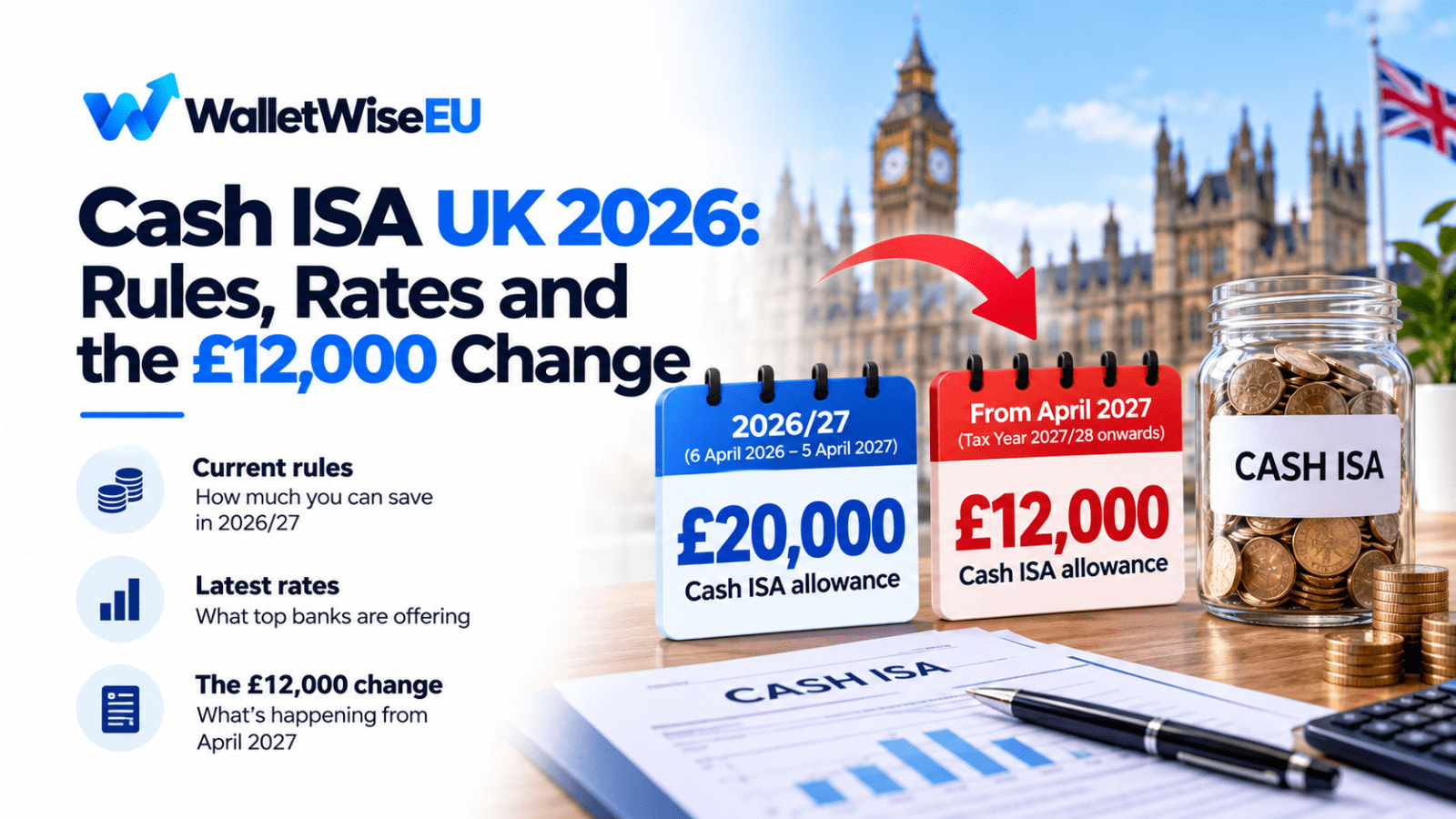
One timing point that matters: the cash ISA allowance for under-65s drops from £20,000 to £12,000 from 6 April 2027. The 2026/27 tax year is the last full year where under-65s can shelter the full £20,000. We covered the full picture in our breakdown of cash ISA rules and rates for 2026, including what to do before the April 2027 deadline.
Your Personal Savings Allowance Action Checklist for 2026/27
Five steps that take less than ten minutes and give you a clear picture of where you stand:
Log into every savings account you hold and note the interest earned since 6 April 2026. Add the totals across all accounts, including current accounts that pay interest.
Check your income tax band. Up to £50,270 means your limit is £1,000. Between £50,271 and £125,140 it is £500. Above £125,140 it is zero.
If your interest total is near or above your limit, look at whether any surplus savings can move into a cash ISA before 5 April 2027.
If you received a tax code change from HMRC and the figure looks wrong, compare it against your bank's interest statement and contact HMRC if the amounts differ.
Use the free MoneyHelper savings interest calculator to confirm what you owe, especially if you hold accounts at several different banks.
The personal savings allowance UK is one of the most useful allowances most savers ignore until they get a surprise adjustment to their tax code. Running through this list once takes no more than a few minutes and means you know exactly where you stand before the tax year ends.
If the autumn budget 2026 changes affect your finances more broadly, we covered the key household impacts in detail: see our full breakdown of what the autumn budget 2026 means for UK households.
This article is for informational purposes only and does not constitute financial advice. Always seek independent financial guidance before making money decisions.
This article is for general information only and is not financial, tax or legal advice. Rules and rates vary by country and change over time.